 English
 中文简体
中文简体 عربى
عربى Español
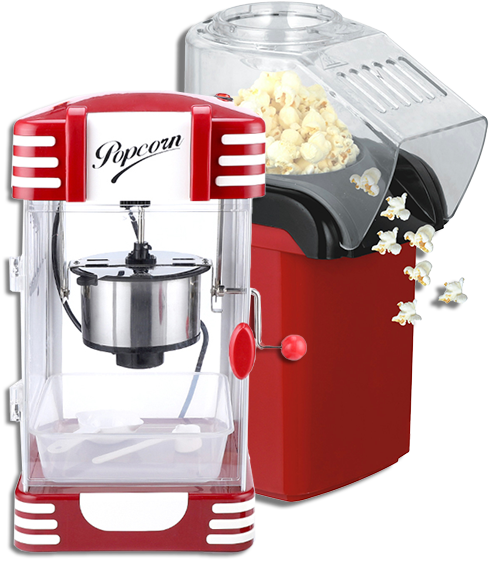
Máquina de palomitas de maíz
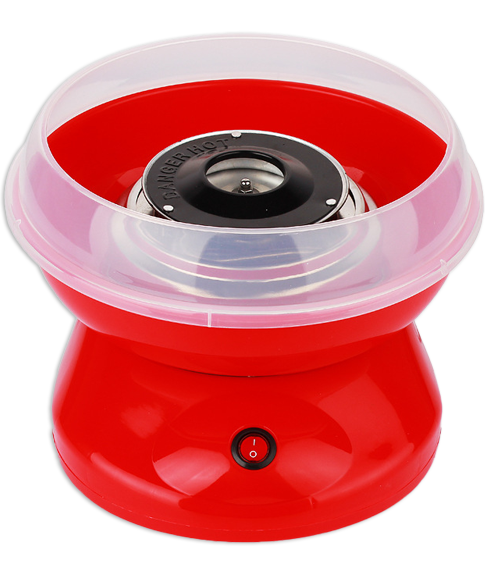
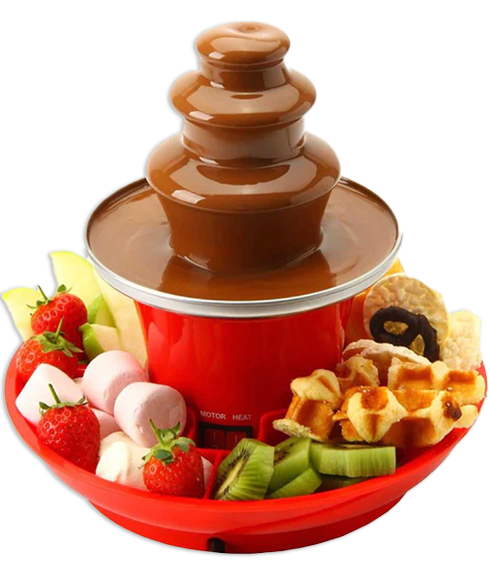
Un fabricante profesional que investiga, desarrolla, produce y vende máquinas de algodón de azúcar, máquinas de palomitas de maíz y pequeños electrodomésticos de cocina.







Tenemos un fuerte equipo de I + D que puede introducir continuamente nuevos productos y características para satisfacer la demanda del mercado.

Tenemos nuestra propia fábrica de procesamiento. Operación directa de fábrica, por lo que podemos proporcionar directamente precios y productos preferenciales.

Por lo general, utilizamos materiales duraderos y seguros, y nuestros productos han sufrido múltiples inspecciones y pruebas, con una larga vida útil y efectos no cambiados después del uso a largo plazo.


Establecida en

Producción anual

Número de empleados

Área de la planta
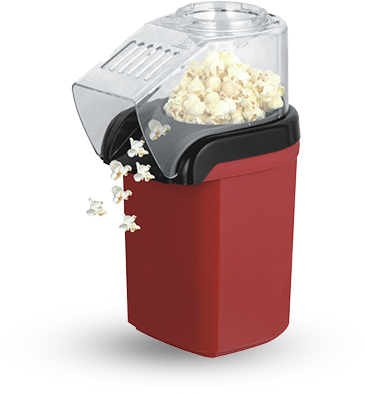
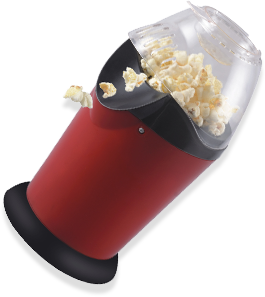
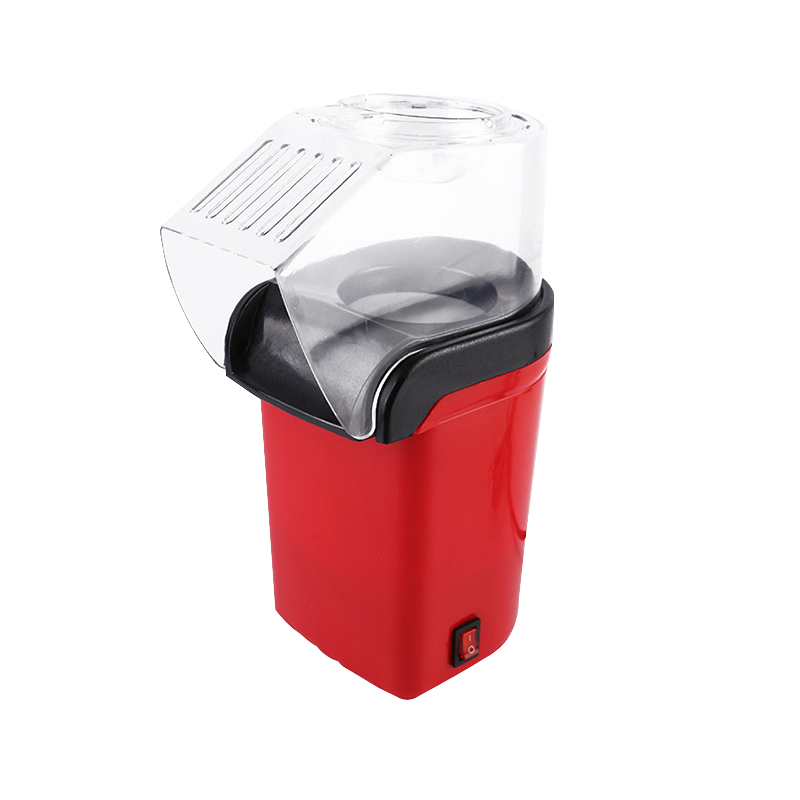
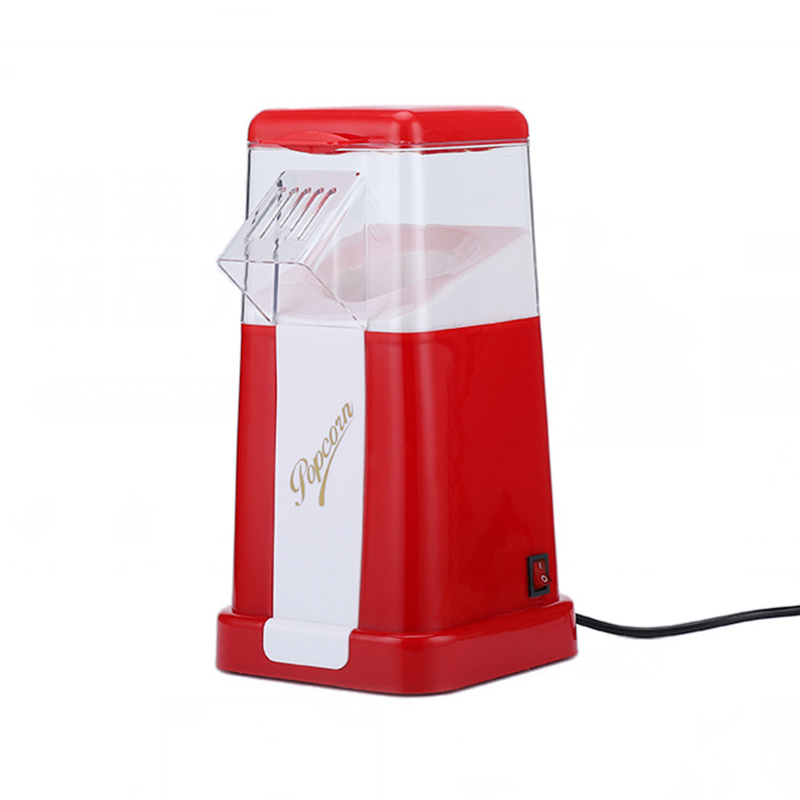
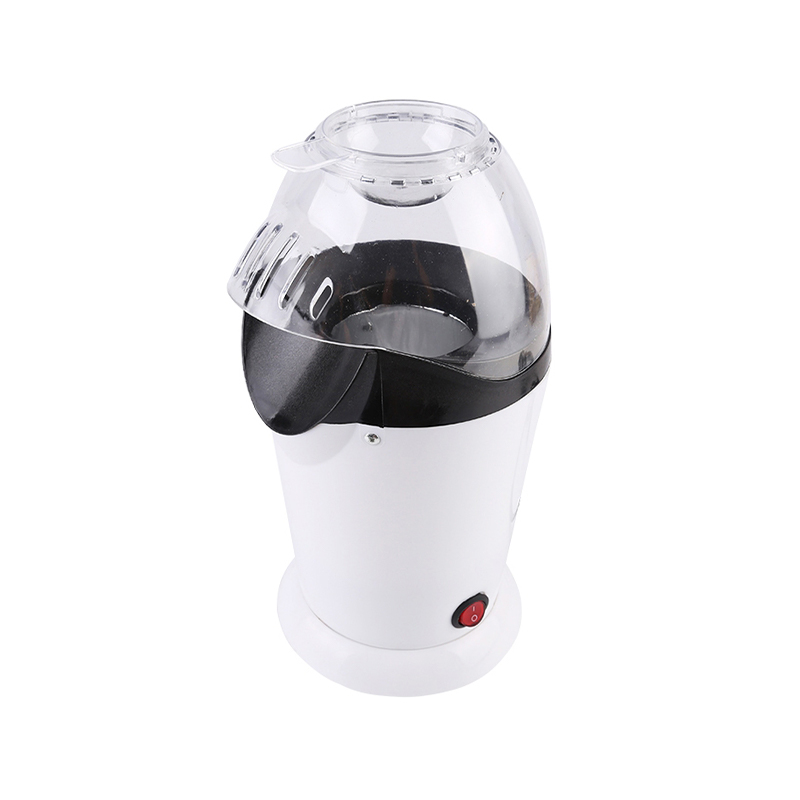
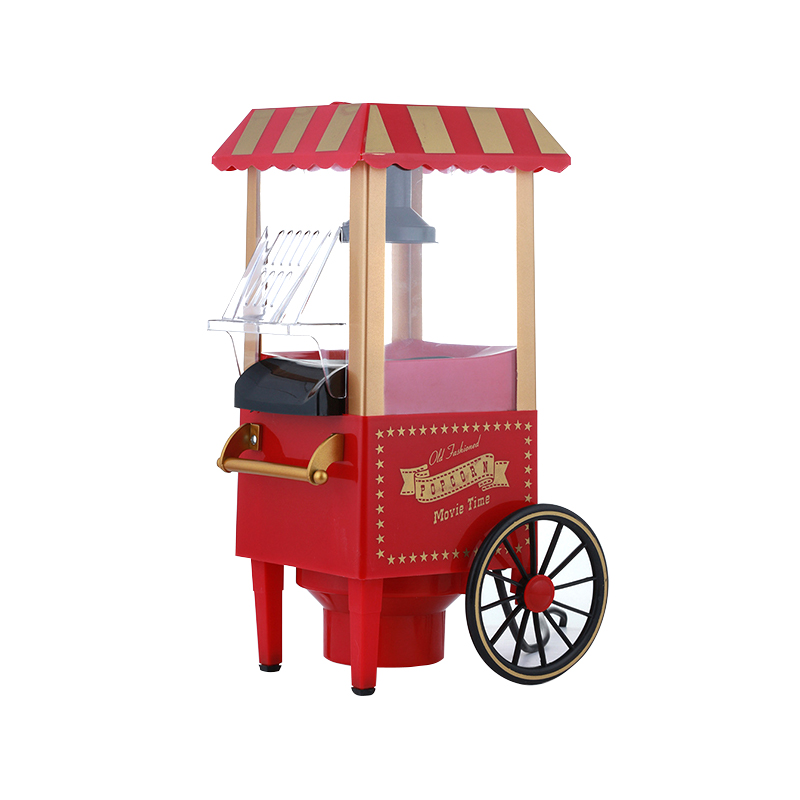
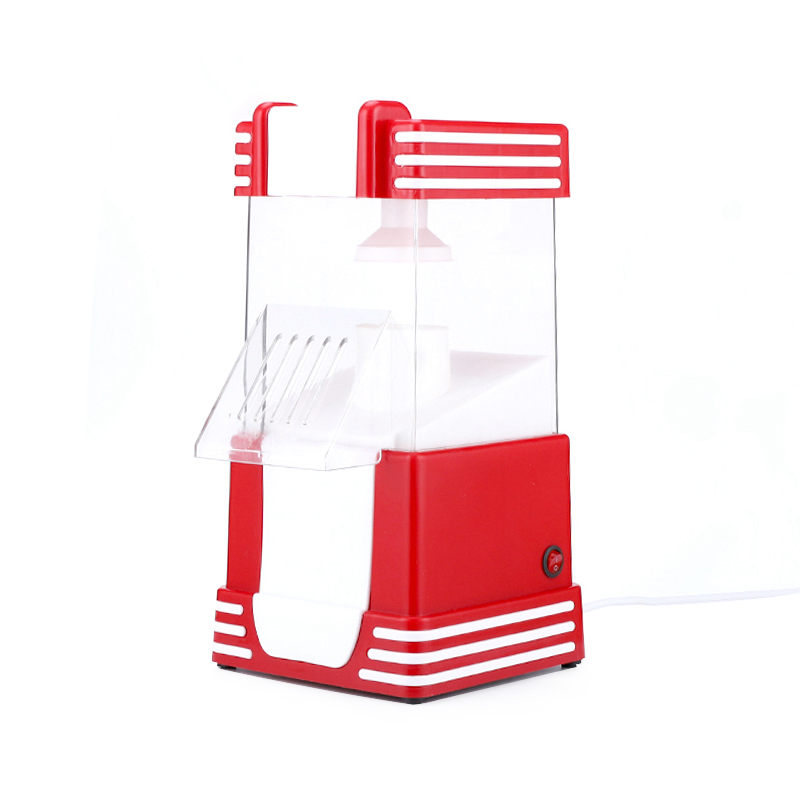
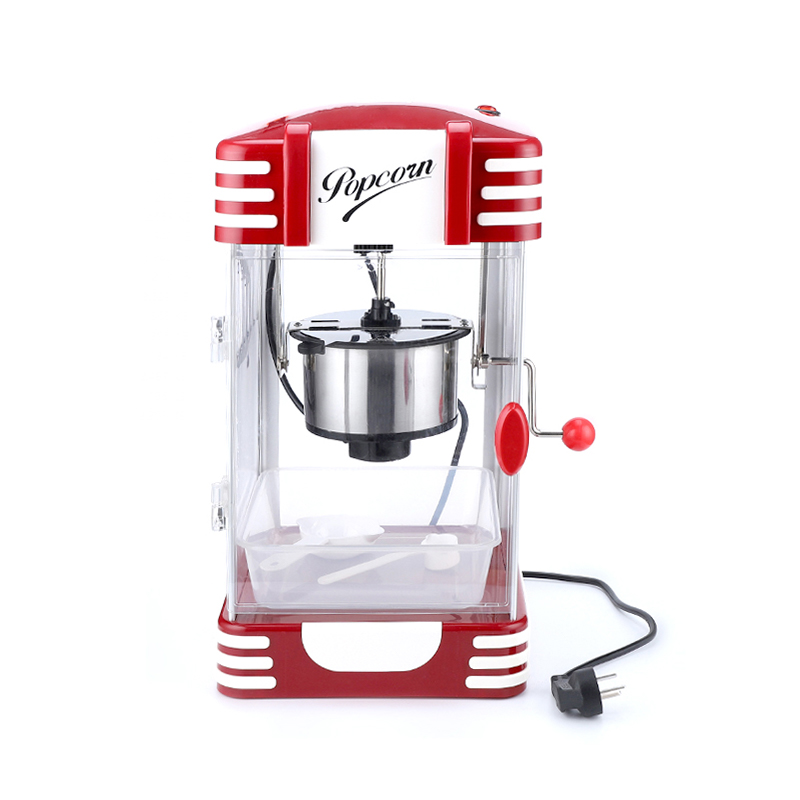
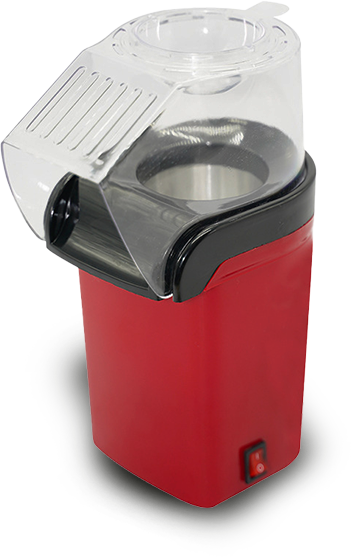
La olla interna que no es de palo evita que los granos de maíz se pegue a la máquina interna y es fácil de limpiar.


Materiales cuidadosamente seleccionados. Los materiales del producto han sido seleccionados capa por capa y son confiables.

Diseño novedoso, novedosos estilos de productos, múltiples estilos para elegir.

La operación de un botón es fácil y conveniente. Experimente la diversión de hacerlo usted mismo.
Para que sus productos se destaquen en el mercado competitivo, ofrecemos una amplia gama de opciones de personalización, desde materiales hasta envases. Nuestro equipo de expertos tiene más de 10 años de experiencia en la industria y se centra en convertir sus diseños en realidad.
Ver más Consulta

Un air popper parece el electrodoméstico más simple de la cocina, y en cierto modo lo es. Vierta una cucharada de granos, presione un botón y un tazón de palomitas de maíz comenzará a llenarse un par de minutos más tarde, sin aceite, sin brazo para agitar y sin tetera para raspar después. Sin embargo, use uno varias veces y las preguntas tenderán a aparecer. ¿De dónde viene realmente el calor? ¿Por qué algunos granos se niegan a reventar? ¿Y por qué una cámara ligeramente polvorienta puede arruinar un lote entero? Construimos máquinas de palomitas de maíz en Cixi desde 2010 y los modelos de aire caliente son los que más preguntan los compradores. Esto es lo que sucede dentro de la máquina, en lenguaje sencillo, desde el momento en que el ventilador gira hasta el momento en que el último grano cae en el recipiente. Lo que realmente hace un Air Popper Quite la carcasa de plástico y una máquina para hacer palomitas de maíz tiene dos funciones: calentar el aire y empujarlo a través de un lecho de granos de palomitas de maíz. Esa es toda la idea. No hay aceite para calentar, ni agitador giratorio ni hervidor caliente. Todo lo que se nota sobre el comportamiento de estas máquinas se deriva de esa única elección de diseño. Las palomitas de maíz salen secas en lugar de brillantes, las cáscaras se acumulan en la cámara en lugar de en un charco de aceite, y el sabor es más ligero que la versión cinematográfica porque los granos se cocinan moviendo aire en lugar de apoyarlos contra un metal caliente. La gente suele suponer que la máquina sopla las palomitas de maíz hacia arriba. No es así, del todo. El flujo de aire levanta las palomitas de maíz terminadas fuera de la cámara, pero el estallido en sí ocurre porque el aire caliente calienta cada grano y el grano hace el resto del trabajo por sí solo. Las tres partes que hacen todo el trabajo Abra una máquina de aire caliente típica y encontrará los mismos tres componentes dispuestos en el mismo orden. El elemento calefactor Generalmente es un cable de resistencia enrollado, la misma familia de piezas que encontrarías en un secador de pelo. En los modelos de aire caliente que producimos, el elemento y el ventilador juntos suelen consumir alrededor de 1200 vatios, lo que es suficiente para llevar el flujo de aire a la temperatura máxima aproximadamente un minuto después del encendido. el ventilador Montado debajo o al lado del elemento, el ventilador aspira aire a temperatura ambiente y lo impulsa hacia arriba a través de la cámara. No se trata simplemente de mover calor. La corriente de aire mantiene los granos dando vueltas para que se calienten uniformemente por todos lados, y es lo que finalmente transporta las palomitas de maíz hacia arriba y hacia afuera. La cámara de estallido Aquí es donde se asientan los granos al comienzo de un ciclo. Por lo general, es más estrecho en la parte inferior y más ancho en la parte superior, con respiraderos o un conducto que deja escapar las palomitas de maíz terminadas. La geometría importa más de lo que parece. Una cámara demasiado ancha ralentiza el flujo de aire, mientras que una demasiado estrecha presiona los granos contra las paredes y los quema. ¿Por qué se hacen palomitas de maíz? Antes de que la máquina tenga sentido, el núcleo tiene que tenerlo. Cada grano de palomitas de maíz contiene una pequeña cantidad de agua dentro de un núcleo con almidón, sellado debajo de una cáscara exterior dura. Calienta un grano a aproximadamente 180 °C, aproximadamente 355 °F, y el agua se convierte en vapor. El casco atrapa el vapor, la presión interna aumenta y, en algún lugar cercano a las nueve atmósferas, el casco cede. El almidón del interior se expande hasta formar una espuma y se endurece a medida que se enfría. El estallido que escuchas es el casco rompiéndose y el contenido caliente golpeando la pared de la cámara. Por eso la temperatura y la velocidad del flujo de aire son tan importantes. El calor tiene que llegar al centro del grano y permanecer allí el tiempo suficiente para que se acumule presión. El aire demasiado frío calienta el grano demasiado lentamente y nunca se abre. El aire demasiado caliente dora el exterior antes de que el interior esté listo, por lo que terminas con un lote que sabe quemado pero que todavía está lleno de granos sin reventar. Un ciclo completo de reventado, paso a paso La cámara se llena con un lote medido de granos, generalmente un cuarto de taza de maíz sin reventar para una máquina doméstica, esparcidos en una sola capa. el ventilador starts and the heating element warms up, sending hot air up through the chamber. Los granos comienzan a rodar y girar en el aire en movimiento, lo que los calienta uniformemente en lugar de hacerlo solo por un lado. Después de 60 a 90 segundos, los primeros granos explotan y el sonido adquiere un ritmo constante. El maíz reventado es mucho más liviano que un grano sin reventar, por lo que el flujo de aire lo levanta fuera de la cámara y lo lleva al conducto o tazón. Los granos que aún no han reventado se quedan atrás, dando vueltas en la corriente caliente hasta que lo hacen. Cuando el estallido disminuye a un estallido cada pocos segundos, el ciclo finaliza. Apague, desenchufe e incline el recipiente. Desde el primer estallido hasta el último, la mayoría de las máquinas domésticas necesitan entre dos y cuatro minutos para un lote completo. Air Popper vs Oil Popper: lo que realmente cambia Ambos diseños utilizan calor y ambos dependen de que suceda lo mismo dentro del núcleo. La diferencia es cómo llega el calor allí, y esa única diferencia da forma a la textura, la limpieza y el lugar al que pertenece cada máquina. Cómo se comparan los dos diseños de máquinas de palomitas de maíz más comunes. Aspecto popper de aire caliente Hervidor o popper de aceite Cómo llega el calor al grano Aire caliente forzado a través de la cámara. Contacto con una tetera calentada y aceite. Aceite requerido Ninguno De una a tres cucharadas por tanda textura típica Ligero, seco y crujiente Más rico, ligeramente más suave, estilo cine. Ritmo de lotes Lotes más pequeños, listos en dos a cuatro minutos Lotes más grandes, ligeramente más lentos por ciclo limpieza Limpia la cámara y sacude los cascos. Desengrasar el hervidor y la tapa. Más adecuado para Meriendas caseras y comidas más ligeras todos los días Fiestas, eventos y servicio comercial. Ninguno de los enfoques es mejor en abstracto. Si quieres palomitas de maíz que sepan a la sala de un cine, la tetera gana. Si desea un refrigerio que pueda preparar entre semana sin tener que usar una cacerola con aceite, el air popper gana. Los detalles que separan un buen Air Popper de uno frustrante Debido a que el mecanismo es tan simple, las pequeñas opciones de ingeniería aparecen rápidamente en el recipiente. Potencia y flujo de aire: potencia suficiente para alcanzar la temperatura rápidamente, sin quemar los granos antes de abrirse. Forma de la cámara: lo suficientemente ancha para mantener el lote en movimiento, lo suficientemente apretada para mantener concentrado el flujo de aire. Diseño de ventilación y conducto: las palomitas de maíz terminadas deben salir de la cámara fácilmente en lugar de circular hasta quemarse. Cortes de seguridad: un fusible térmico que apaga el elemento si el ventilador se detiene o las rejillas de ventilación se obstruyen. Este equilibrio es donde nuestros ingenieros pasan la mayor parte de su tiempo, y es lo que buscamos en nuestro propio modelo de aire caliente: suficiente potencia para limpiar un lote completo rápidamente y una cámara que mantiene los granos dando vueltas hasta que estén cocidos en lugar de dejarlos quietos contra una pared. Máquina de palomitas de maíz de aire caliente sin aceite Health PM-1208 Este popper de aire caliente sin aceite de 1200 W ofrece una capacidad de 270 ml y lotes de 3 a 5 minutos, destinado a uso doméstico y reuniones pequeñas. Ver producto → Obtener mejores resultados con su Air Popper Comience con granos frescos. La humedad dentro del grano es lo que lo hace explotar, y se desvanece con el tiempo, por lo que las palomitas de maíz que han estado en un armario durante dos años te decepcionarán en cualquier máquina. No llene demasiado. El objetivo es una capa de granos a lo largo del piso de la cámara, porque la sobrecarga bloquea el flujo de aire y deja atrás la mitad del lote. Deje que la máquina se caliente. Hacer funcionar el ventilador y el elemento durante un minuto antes de agregar los granos le dará una primera ráfaga de aire más caliente. Sazone después de reventar. La sal y la mantequilla derretida se adhieren mejor a las palomitas de maíz calientes y agregarlas después mantiene la cámara libre de residuos. No vuelvas a hacer estallar las sobras. Los granos que sobrevivieron al primer ciclo ya perdieron su humedad y solo se quemarán. Mantener la máquina en funcionamiento Los poppers de aire no necesitan mucho mantenimiento, pero sí necesitan flujo de aire. El polvo del casco, el almidón y los residuos de aceite obstruyen gradualmente las rejillas de ventilación alrededor de la cámara, y una máquina que no puede mover el aire libremente tarda más en reventar y deja más granos sin reventar. La rutina básica es corta. Desenchufe la máquina, déjela enfriar, vacíe la cámara y luego limpie la cámara y el conducto con un paño seco o uno apenas humedecido con agua. Nunca sumerjas la base. Si desea conocer la rutina completa, incluido cómo lidiar con la acumulación rebelde de almidón, hemos elaborado una guía más extensa sobre Limpieza y mantenimiento de su máquina de palomitas de aire caliente. . Adaptación de la máquina a la configuración La mecánica no cambia entre un mueble de encimera compacto y un modelo más grande, pero sí las prioridades. Para una cocina familiar, suele ser suficiente un aparato pequeño de 1200 vatios. Se limpia un recipiente en unos minutos, se guarda en un armario y es lo suficientemente sencillo para que los niños mayores lo utilicen con supervisión. Un modelo con forma divertida puede hacer que todo parezca más una actividad que una tarea, lo cual es importante cuando estás alimentando una habitación llena de niños en una tarde lluviosa. Máquina de palomitas de maíz con forma de balón de fútbol sin aceite PM-2200 Este popper sin aceite con forma de balón de fútbol de 1200 W utiliza un lote de 25 g/270 ML en 3 a 5 minutos, adecuado para reuniones familiares, fiestas infantiles y pequeños entornos comerciales. Ver producto → Para comercios, puestos y operadores de alquiler, el cálculo cambia. El ciclo de trabajo, las piezas de repuesto y la compatibilidad de voltaje empiezan a importar más que el espacio que ocupa la encimera, porque se espera que estas máquinas funcionen durante horas sin que el elemento se rinda. Ahí es también donde entra en juego la personalización: el tipo de enchufe, el color de la carcasa, el embalaje y el tamaño de la cámara se pueden ajustar para un mercado específico, que es el tipo de trabajo que manejamos a través de nuestro diseño personalizado y servicio OEM . Entonces, en los términos más simples: un popper de aire calienta el aire, un ventilador empuja ese aire a través de un lecho de granos y los granos revientan solos una vez que se acumula vapor dentro del casco. Todo lo demás, desde la potencia hasta la forma de la cámara y la rutina de limpieza, existe para hacer que el proceso sea más rápido, más uniforme y más fácil de vivir. Una vez que entiendes eso, la máquina deja de ser una caja misteriosa. Usted sabe por qué el sobrellenado arruina un lote, por qué los granos viejos permanecen duros sin importar cuánto tiempo espere y por qué un minuto de precalentamiento cambia el resultado. También sabes qué buscar en la caja: cuánto aire mueve la máquina, qué tan uniformemente calienta y con qué facilidad deja salir las palomitas de maíz terminadas. .article-section table{display: table!important;}.article-section thead{display: table-header-group!important;}.article-section tbody{display: table-row-group!important;}.article-section tr{display: table-row!important;}.article-section th{display: table-cell!important;}.article-section td{display: table-cell!important;}.article-section table{border-collapse:collapse;width:100%;}.article-section caption{caption-side:bottom;font-size:16px;margin-bottom:12px;font-style:italic;color:#808080;}.article-section th{font-weight:bold;border:1px solid #cccccc;padding:8px;}.article-section td{border:1px solid #cccccc;padding:8px;text-align:center;}.article-section ol{margin-bottom:12px;list-style-type:decimal;list-style-position:inside;padding-left:5px;}.article-section ul{margin-bottom:12px;list-style-type:disc;list-style-position:inside;padding-left:5px;}.article-section li{list-style:inherit;font-size:16px;margin-bottom:6px;}.article-section h2{font-size:22px;font-weight:bold;text-align:left;margin-bottom:12px!important;}.article-section h3{font-size:16px;font-weight:bold;text-align:left;margin-bottom:12px;}.article-section p{font-size:16px!important;margin-bottom:12px;} .product-card{display:block;margin:20px 0;border:1px solid #e5e7eb;border-radius:10px;overflow:hidden;font-style:normal;background:#fff;box-shadow:0 0 5px rgba(31,41,55,.08)}.pc-inner{display:flex;text-decoration:none;color:inherit;align-items:center;min-height:148px}.product-card .pc-img{width:auto!important;min-width:0!important;max-width:min(36%,240px)!important;height:auto!important;min-height:0!important;max-height:148px!important;aspect-ratio:auto!important;object-fit:contain!important;flex:0 0 auto;display:block;align-self:center}.pc-body{padding:12px 16px;flex:1;min-width:0;display:flex;flex-direction:column;align-self:stretch;justify-content:center}.pc-title{display:block;font-size:15px;font-weight:600;color:#111;margin:0 0 6px;line-height:1.4}.pc-desc{display:-webkit-box;font-size:13px;color:#6b7280;margin:0 0 8px;line-height:1.5;overflow:hidden;-webkit-line-clamp:2;line-clamp:2;-webkit-box-orient:vertical}.pc-cta{display:block;font-size:13px;font-weight:600;color:inherit;margin-top:auto}.pc-inner:hover .pc-title{text-decoration:underline} .article-section a:not(.pc-inner),article a:not(.pc-inner){color:inherit}.pc-cta{color:inherit!important}
Ver Más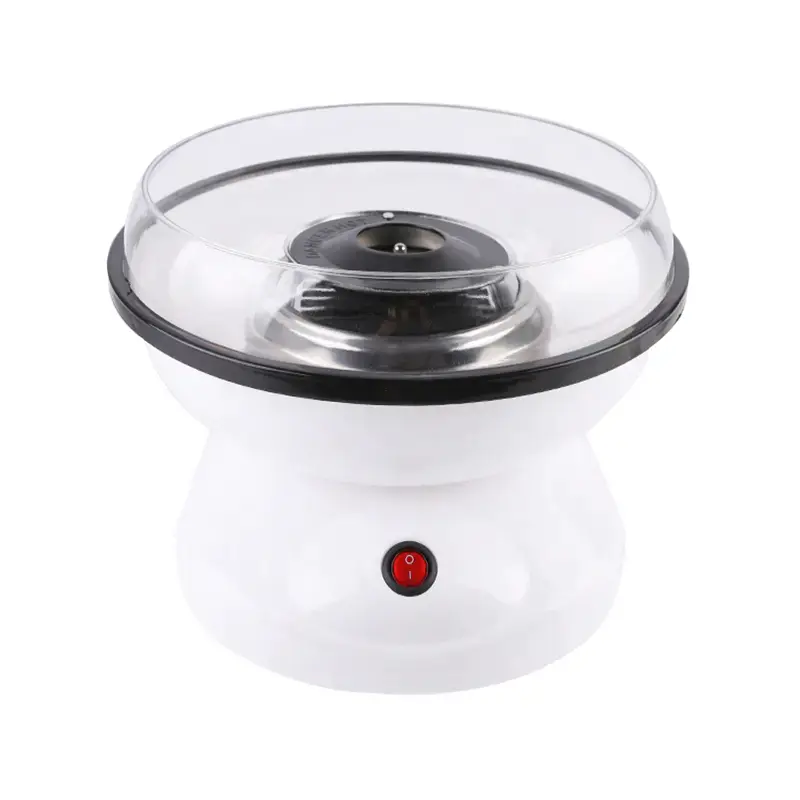
Si alguna vez has visto una máquina de algodón de azúcar en una feria, probablemente te hayas preguntado cómo una cucharada de azúcar natural se convierte en una nube de finos hilos en menos de un minuto. La respuesta no es la magia de la química. Es una combinación simple de calor, fuerza centrífuga y enfriamiento muy rápido. Una vez que comprenda esos tres ingredientes, el proceso es fácil de imaginar y mucho más fácil de controlar cuando la máquina está colocada en su propio mostrador. El principio básico: derretir el azúcar y luego tirarlo El azúcar es un sólido cristalino. Calentado a aproximadamente 186 °C, los cristales se rompen y el azúcar se convierte en un almíbar espeso y fundido. En una máquina de algodón de azúcar, esa fusión tiene lugar en una pequeña parte en forma de cuenco conocida como cabezal de hilado, rotor o calentador de cinta. Dentro o directamente debajo hay un elemento calefactor, por lo que el azúcar siempre está en contacto con una superficie caliente. El segundo ingrediente es el movimiento. El cabezal gira a alta velocidad, normalmente entre 3.000 y 3.500 rpm en una unidad doméstica y más rápido en una comercial. Debido a que la cabeza gira, el azúcar derretido es empujado hacia afuera por la fuerza centrífuga y exprimido a través de miles de pequeños agujeros en su pared. Cada orificio libera un chorro extremadamente fino de azúcar líquido, aproximadamente del ancho de un cabello humano. El tercer ingrediente es el aire. En el momento en que esos chorros abandonan la cabeza, se encuentran con aire a temperatura ambiente y se enfrían casi instantáneamente. El azúcar no tiene tiempo de recristalizarse, por lo que se endurece formando finas hebras vidriosas. Esas hebras son lo suficientemente ligeras como para flotar hacia afuera y asentarse en el borde del cuenco grande que rodea la cabeza, listas para ser recogidas en un cono de papel o un palo. ¿Qué hay dentro de la máquina? Desde un modelo para niños pequeños hasta una unidad comercial de acero inoxidable, todas las máquinas de algodón de azúcar utilizan el mismo conjunto de componentes. Lo que cambia es su tamaño, su potencia y la calidad de sus materiales. Partes principales de una máquina de algodón de azúcar y qué hace cada una. Componente que hace Elemento calefactor Eleva el cabezal giratorio hasta el punto de fusión del azúcar. cabeza giratoria Retiene el azúcar y empuja el almíbar a través de su pared perforada. Motor y accionamiento Mantiene el cabezal girando a una velocidad estable para que los hilos se formen uniformemente. Cuenco colector Rodea la cabeza, atrapa el hilo dental y mantiene el azúcar fuera de la mesa. control de calor Permite al operador ajustar la temperatura del cabezal y el flujo de azúcar. Cubierta o dosel Protege al operador, retiene el calor y evita que el hilo dental ligero se desprenda. Base y pies Mantiene la unidad estable a altas velocidades de rotación. Una buena máquina es un acto de equilibrio. Si la cabeza está caliente pero el motor está débil, el azúcar se derrite más rápido de lo que puede ser desechado y comienza a arder. Si el motor es fuerte pero la cabeza está fría, el azúcar simplemente se queda allí como granos. Por este motivo, un diseño sensato adapta la potencia de calefacción al tamaño de la cabeza en lugar de instalar el motor más grande disponible. En nuestra propia línea de máquinas de algodón de azúcar, el cabezal de hilado y el recipiente recolector reciben la mayor atención de ingeniería, porque esas dos partes deciden qué tan fino resulta el hilo y qué tan fácil es limpiar la máquina después. Máquina de algodón de azúcar de acero inoxidable modelo Jk-M04 Enchufe europeo Máquina de algodón de azúcar modelo JK-M04 Enchufe europeo 450-550W,3-5 minutos Certificación CE/ROHS/LFGB e informe de prueba Ver producto → Paso a paso: del azúcar granulada a un cono esponjoso La secuencia es la misma ya sea que esté utilizando una máquina de mostrador compacta o una unidad comercial grande. Calentamiento. Encienda la máquina y deje que el cabezal se caliente durante tres a cinco minutos. El azúcar agregado a una cabeza fría no se derretirá; se aglutinará y se quemará. Dosificar el azúcar. Vierta una cucharada rasa de azúcar hilo o azúcar granulada fina en el centro de la cabeza. Llenar demasiado es el error más común de los principiantes, porque el excedente no puede pasar a través de los agujeros con la suficiente rapidez. Míralo derretirse. En unos segundos el azúcar se licua y la cabeza empieza a arrojar finos chorros. Coge el hilo dental. Sostenga un cono o palo al nivel del borde del tazón y gírelo lentamente, moviéndolo alrededor del tazón para que los hilos se envuelvan uniformemente. Construye la pelota. Sigue girando hasta que el hilo alcance el tamaño que deseas, luego levanta el cono y dale un giro suave para cerrar la capa exterior. Repetir. Agregue la siguiente cucharada solo después de que la anterior se haya centrifugado por completo. Una cabeza vacía corre limpia; una cabeza sobrecargada arde. Por qué los hilos son vidriosos, no cristalinos El hilo dental que comes no es azúcar común y corriente con una forma diferente. Es un vidrio amorfo. Azúcar enfriado que rápidamente no puede organizarse en cristales, por lo que se bloquea en una estructura aleatoria que dispersa la luz en todas direcciones, razón por la cual los hilos se ven blancos y opacos a pesar de que el azúcar inicial era transparente. La misma estructura explica la textura. Los hilos son tan finos que la saliva los disuelve casi instantáneamente, por lo que el hilo parece desaparecer en lugar de crujir. También explica por qué el algodón de azúcar se vuelve pegajoso tan rápidamente: el vidrio es higroscópico, lo que significa que extrae la humedad del aire y poco a poco vuelve a convertirse en almíbar. Sírvelo fresco, guárdalo en un recipiente hermético y piénsalo dos veces antes de prepararlo en una cocina llena de vapor en una tarde lluviosa. Para ver más de cerca cada etapa, nuestro equipo ha preparado una explicación más extensa de cómo funciona una máquina de algodón de azúcar desde el calentamiento hasta el cono terminado. Máquinas domésticas y comerciales: misma idea, diferentes músculos La física nunca cambia, pero el hardware sí, y las diferencias son importantes a la hora de elegir una máquina para un trabajo específico. Cómo se comparan normalmente las máquinas de algodón de azúcar domésticas y comerciales. Característica maquina casera maquina comercial poder Alrededor de 450 W 1.000 W y más cabeza y cuenco Una cabeza pequeña, cuenco estrecho Cabeza grande, cuenco ancho, a veces cabezas gemelas. Calentamiento De tres a cinco minutos Cinco a diez minutos Salida Un cono a la vez Producción continua para una cola. construir Carcasa ligera, fácil de guardar. Cuerpo de acero inoxidable, motor de alta resistencia. Lo mejor para Cocinas, fiestas, eventos familiares. Ferias, cines, negocios de alquiler. Una máquina doméstica de 450 W con un plato giratorio de aluminio bien mecanizado superará a una unidad mal construida con mayor potencia, porque la distribución del calor a través del cabezal importa más que el número en la etiqueta. Enchufe europeo del modelo JK-M05 de la máquina del algodón de azúcar de la placa giratoria 450W Máquina de algodón de azúcar modelo JK-M05 Enchufe europeo 450-550W, 3-5 minutos Certificación CE/ROHS/LFGB e informe de prueba Ver producto → Opciones de azúcar y los problemas que detienen el giro La mayoría de las quejas de "mi máquina no funciona" se deben al azúcar o a la técnica, más que a un aparato defectuoso. El azúcar granulada funciona, pero las mezclas específicas de azúcar en hilo son más consistentes. Se derriten uniformemente y aportan color y sabor sin obstruir la cabeza. Nunca utilices azúcar glas o azúcar en polvo. Estos contienen almidón, que se quema en la cabeza caliente y bloquea los agujeros. Mantenga el azúcar seco. El azúcar húmedo o en grumos atasca las perforaciones y produce hebras cortas y ásperas en lugar de una red suave. Respeta la humedad. En un día húmedo, los hilos absorben agua antes de llegar al cono y colapsar formando grumos pegajosos. Limpia los agujeros con regularidad. Un cepillo suave y agua tibia restauran el rendimiento total; un alfiler o alambre ensanchará los agujeros y arruinará la cabeza. Limpieza y cuidado: de dónde viene la larga vida El azúcar es soluble en agua, por lo que una máquina de algodón de azúcar es realmente fácil de mantener si incorporas el hábito en cada sesión. Desenchufe la máquina y deje que el cabezal se enfríe por completo antes de tocarlo. Levante el cabezal giratorio y sumérjalo en agua tibia, luego cepille los agujeros suavemente hasta que queden limpios. Limpie el recipiente colector con un paño húmedo. No utilice almohadillas abrasivas sobre acero inoxidable pulido. Nunca sumerja la base, el motor o el panel de control. La electrónica y el agua no negocian. Seque bien todas las piezas antes del siguiente uso y guarde la máquina cubierta en un lugar seco para que no se acumule polvo en el cabezal. Elegir una máquina que se adapte a su mostrador Para el uso familiar diario, todo lo que necesita es una unidad compacta con un motor de 450 W, un solo cabezal y un recipiente que se levanta para lavar. Si lo van a utilizar niños, busque un recipiente inferior, una base estable y una cubierta sobre el cabezal giratorio. Para una pequeña empresa, dé prioridad a un cuerpo de acero inoxidable, un cabezal de metal que mantenga su temperatura durante los conos consecutivos y un motor apto para funcionamiento continuo. Los compradores que necesiten un tipo de enchufe, color o embalaje específico para su propio mercado también pueden utilizar nuestro personalizar y diseñar Servicio para adaptar un modelo a los requisitos locales. Si la máquina está pensada para una fiesta de cumpleaños infantil o una reunión familiar, un modelo infantil más ligero con un cabezal más pequeño suele ser la mejor opción, ya que produce porciones individuales a un ritmo cómodo. Enchufe europeo del modelo JK-M03 de la máquina del algodón de azúcar de la placa giratoria de aluminio 50/60HZ Máquina de algodón de azúcar modelo JK-M03 Enchufe europeo 450-550W, 3-5 minutos Certificación CE/ROHS/LFGB e informe de prueba Ver producto → Entonces, ¿cómo funciona una máquina de algodón de azúcar? Calienta el azúcar hasta que fluye, hace girar ese líquido a través de agujeros microscópicos y deja que los hilos resultantes se enfríen en el aire antes de tocar una superficie. Todo lo demás, desde el vataje en la etiqueta hasta el material del tocadiscos, existe para hacer que esos tres pasos sean más uniformes, más confiables y más fáciles de repetir. Comprenda el proceso y no sólo obtendrá un mejor uso del hilo dental, sino que también sabrá exactamente qué máquina merece el espacio en su mostrador. .article-section table{display: table!important;}.article-section thead{display: table-header-group!important;}.article-section tbody{display: table-row-group!important;}.article-section tr{display: table-row!important;}.article-section th{display: table-cell!important;font-weight:bold;border:1px solid #cccccc;padding:8px;}.article-section td{display: table-cell!important;border:1px solid #cccccc;padding:8px;text-align: center;}.article-section caption{caption-side:bottom;font-size:16px;margin-bottom:12px;font-style:italic;color:#808080;}.article-section ol{margin-bottom:12px;list-style-type:decimal;list-style-position:inside;padding-left:0;}.article-section ul{margin-bottom:12px;list-style-type:disc;list-style-position:inside;}.article-section li{list-style:inherit;font-size:16px;margin-bottom:6px;}.article-section h2{font-size:22px;font-weight:bold;text-align:left;margin-bottom:12px!important;}.article-section h3{font-size:16px;font-weight:bold;text-align:left;margin-bottom:12px;}.article-section p{font-size:16px!important;margin-bottom:12px;} .product-card{display:block;margin:20px 0;border:1px solid #e5e7eb;border-radius:10px;overflow:hidden;font-style:normal;background:#fff}.pc-inner{display:flex;text-decoration:none;color:inherit;align-items:center;min-height:120px}.pc-img{width:160px;min-width:160px;aspect-ratio:4/3;height:auto;min-height:120px;object-fit:cover;flex-shrink:0;display:block;align-self:stretch}.pc-body{padding:12px 16px;flex:1;min-width:0;display:flex;flex-direction:column;align-self:stretch;justify-content:center}.pc-title{display:block;font-size:15px;font-weight:600;color:#111;margin:0 0 6px;line-height:1.4}.pc-desc{display:-webkit-box;font-size:13px;color:#6b7280;margin:0 0 8px;line-height:1.5;overflow:hidden;-webkit-line-clamp:2;line-clamp:2;-webkit-box-orient:vertical}.pc-cta{display:block;font-size:13px;font-weight:600;color:inherit;margin-top:auto}.pc-inner:hover .pc-title{text-decoration:underline} .article-section a:not(.pc-inner),article a:not(.pc-inner){color:inherit}.pc-cta{color:inherit!important}
Ver Más
+86-13777183399
+86-18058505336
No. 16 Calle Xinlianxin, Pueblo de Xinpu, Ciudad de Cixi, Provincia de Zhejiang, China